Soot Damage Restoration in Fort Mill, SC
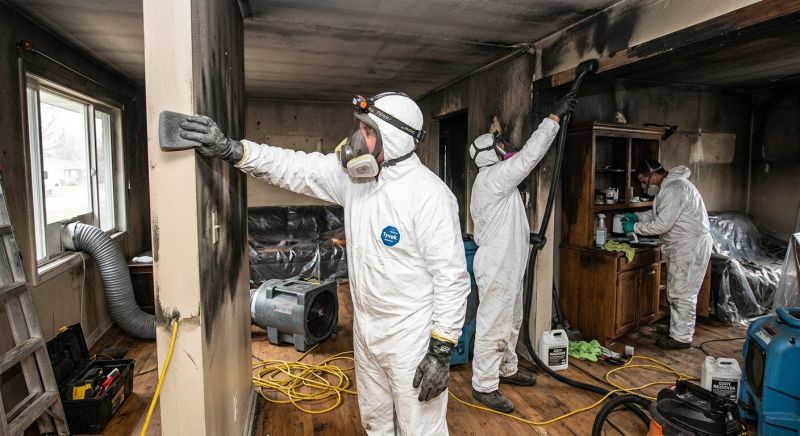
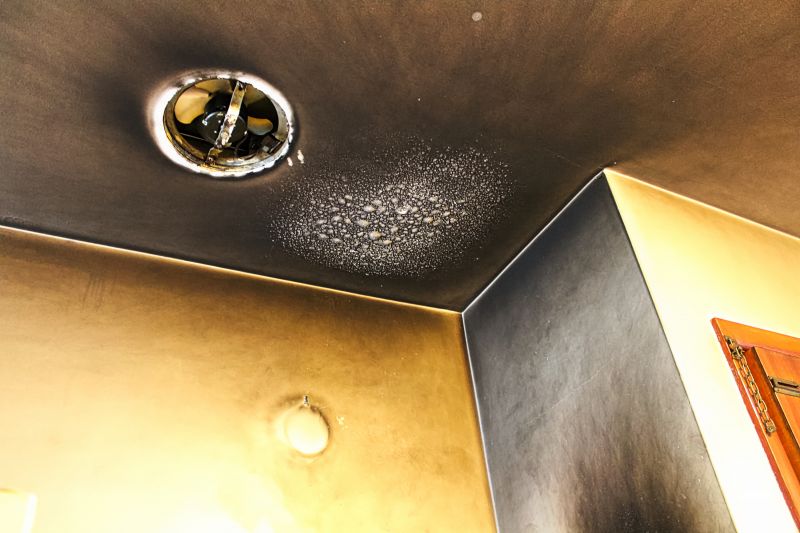
Soot damage restoration services focus on cleaning and restoring properties affected by soot residue resulting from fires, smoke, or other combustion sources. This process involves removing soot deposits from surfaces such as walls, ceilings, furniture, and HVAC systems, as well as addressing any lingering odors. Projects typically include thorough cleaning, deodorization, and sometimes minor repairs to ensure the property is safe, clean, and presentable. Homeowners considering this service should understand the extent of soot contamination and whether the damage is confined to surface areas or has penetrated deeper into materials, which can influence the scope of restoration needed.
Property owners often inquire about the types of soot damage covered, the cleaning methods used, and the importance of professional intervention to prevent further issues like staining or persistent odors. It’s helpful to know if the soot originated from a small kitchen fire, a larger incident, or ongoing smoke exposure, as these factors impact the restoration approach. Clarifying these details can assist homeowners in understanding what to expect from the service and how it can effectively restore the safety and appearance of their property after fire or smoke damage.
Many property owners in Fort Mill, SC look into Soot Damage Restoration for repairs, replacements, upgrades, and appearance-related improvements.
Understanding Soot Damage
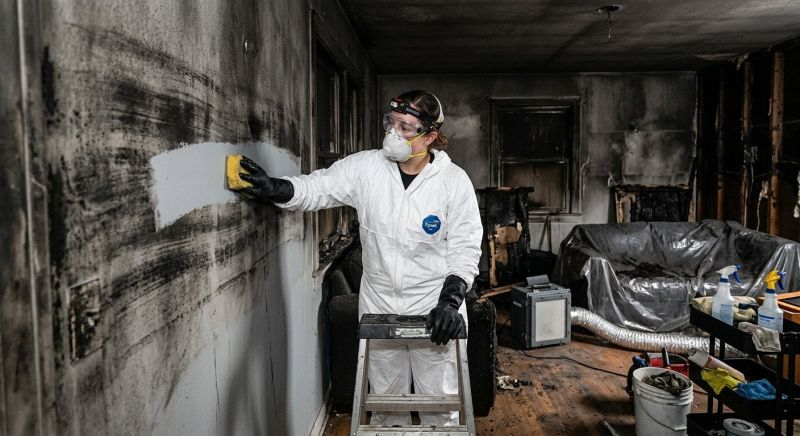
Soot residue can affect indoor air quality and cause surface staining in homes and businesses.
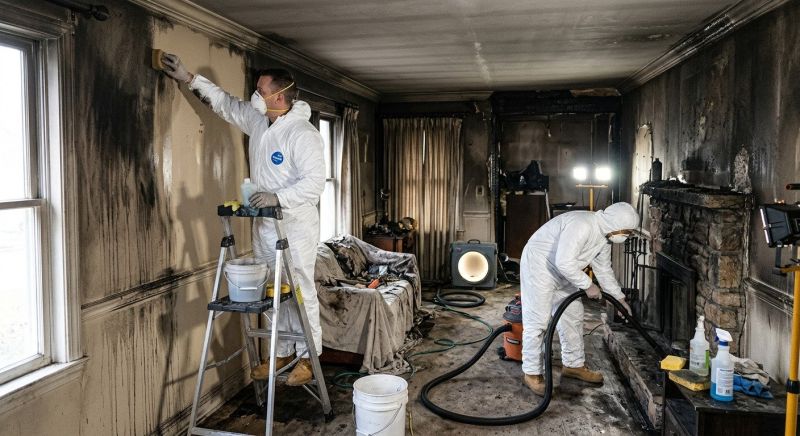
Restoration Process Overview
Effective soot damage restoration involves cleaning, deodorizing, and restoring affected areas to pre-damage condition.
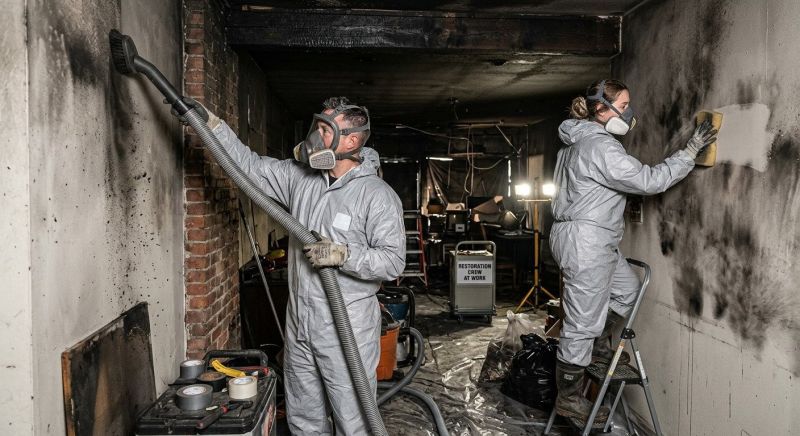
Common Causes In Fort Mill Homes
Soot damage often results from kitchen fires, heating system malfunctions, or electrical issues in residential properties.
Soot Damage Restoration in Fort Mill, SC

Soot damage restoration services focus on cleaning and restoring properties affected by soot residue resulting from fires, smoke, or other combustion sources. This process involves removing soot deposits from surfaces such as walls, ceilings, furniture, and HVAC systems, as well as addressing any lingering odors. Projects typically include thorough cleaning, deodorization, and sometimes minor repairs to ensure the property is safe, clean, and presentable. Homeowners considering this service should understand the extent of soot contamination and whether the damage is confined to surface areas or has penetrated deeper into materials, which can influence the scope of restoration needed.
Property owners often inquire about the types of soot damage covered, the cleaning methods used, and the importance of professional intervention to prevent further issues like staining or persistent odors. It’s helpful to know if the soot originated from a small kitchen fire, a larger incident, or ongoing smoke exposure, as these factors impact the restoration approach. Clarifying these details can assist homeowners in understanding what to expect from the service and how it can effectively restore the safety and appearance of their property after fire or smoke damage.
Many property owners in Fort Mill, SC look into Soot Damage Restoration for repairs, replacements, upgrades, and appearance-related improvements.
Common Soot Damage Restoration Jobs
Soot Damage Cleanup - removal of soot residues from walls, ceilings, and surfaces to restore appearance.
Structural Restoration - repairing or replacing damaged drywall, insulation, and framing affected by soot.
Odor Removal - eliminating lingering smoke odors caused by soot buildup inside the property.
Surface Cleaning - deep cleaning of furniture, fixtures, and appliances impacted by soot deposits.
Fire Damage Assessment - evaluating the extent of soot damage to determine necessary restoration steps.
Preventive Treatments - applying treatments to inhibit future soot and smoke-related issues.
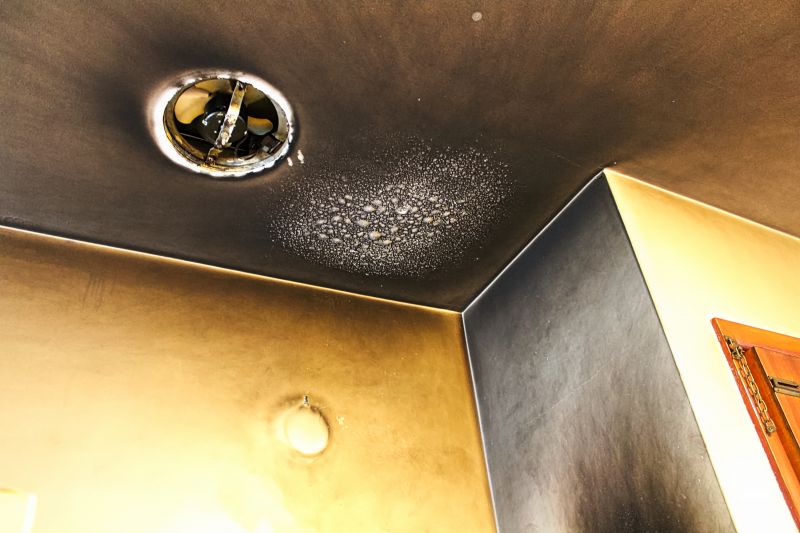
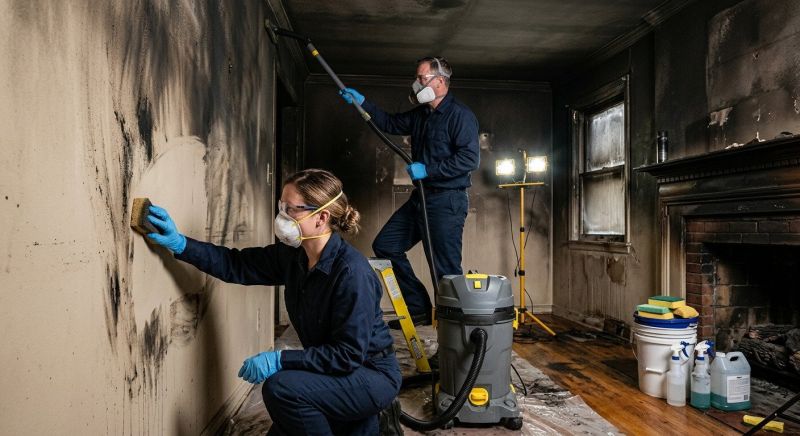
Soot Damage Restoration Questions
What causes soot damage in homes? Soot damage often results from fires or combustion sources, leading to residue buildup on surfaces and in ventilation systems.
How does soot affect property surfaces? Soot can stain walls, ceilings, and furniture, and may cause discoloration or corrosion if not properly cleaned.
What are common signs of soot damage? Visible black or gray residue, lingering odors, and staining on walls or other surfaces are typical indicators of soot issues.
Why is professional soot damage restoration important? Professionals use specialized cleaning methods to effectively remove soot, prevent further damage, and restore the property's appearance.
Request Soot Damage Restoration in Fort Mill, SC
Use the quote form on this page to share the basics of your project and request more information for the type of work you need.